

By Bob Seidenberg
Evanston now has new rules and regulations for short-term rentals like Airbnb and VRBO, as councilmembers unanimously adopted an overhaul ordinance that’s been in the works since the previous council.
The proposal first arrived at the council and got a preliminary pass on Jan. 12, but afterwards was delayed twice in a row as councilmembers continued to tweak and tighten the new, stricter system intended to limit how much long-term housing stock is claimed by the short-term market.
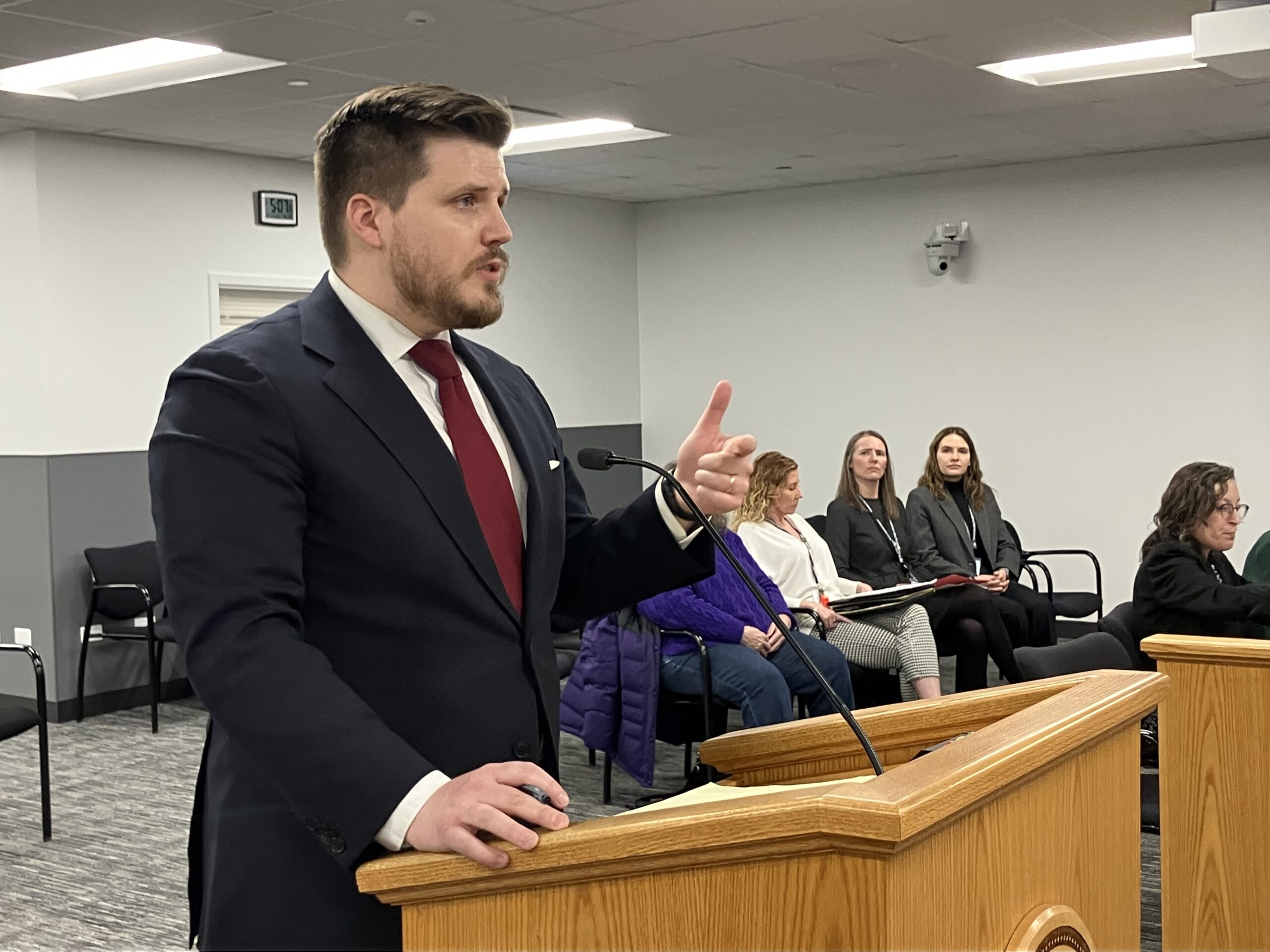
Councilmembers debated their lingering issues and approved a change proposed by Matt Rodgers (8th Ward) that nixed spacing limits that required 600 feet between licensed properties, put a cap on how many licensed units could be in one multifamily building. Additionally, councilmembers approved an amendment that intends to ensure the rentals do not cause a “negative cumulative effect” on a neighborhood.
‘Cumulative negative effect’
The “cumulative negative effect” standard is frequently used in special use zoning cases, where officials are concerned about the deleterious effect of a proposed development on a neighborhood, noted Rodgers, the who chaired the city’s Land Use Commission before his election to the council last year.
Before the vote, several council members,including Council Jonathan Nieuwsma, 4th and Juan Geracaris (9th) the sponsor of the ordinance, raised concerns about the change, saying it might be too subjective.
“Who would be making the judgement about the negative cumulative effect?” asked Nieuwsma.
Staff would be making that decision, responded Rodgers, explaining that if there were an appeal, the case would then go to councilmembers.
“I’m concerned that we are eliminating a very kind of prescriptive and quantitative direct guidance and leaving it open to some interpretation that might have some unintended consequences,” Nieuwsma said.
Appeal question
Councilmember Clare Kelly (1st) questioned how a neighbor might appeal a staff decision they do not agree with.
“Say you’re on the block and you’re getting a third short term rentals — what would be the process for challenging that if we were to eliminate the distance,” she asked.
Rodgers noted that a notification process in the ordinance is still being maintained. “So neighbors will be informed,” he said. If our staff wants to make decisions that neighbors are opposed to… then that’s on our staff to do that,” he said.
Alexandra Ruggie, the city’s corporation counsel, pointed out that a vacation rental license can be revoked for a number of reasons under the ordinance, “so it may be something that’s included here,” she said. referring to Rodgers recommended ‘cumulative negative effect.”
Looking into complaints
If a property is becoming a negative effect on a neighborhood, residents “can come to staff and we can look into their complaints,” and the license could be revoked that way, she suggested.
“That’s great,” responded Kelly, “but it’s not sufficient in the sense that we don’t want to set people up for these fights…it’s to prevent that.”
Geracaris also said he was uncomfortable with the change. “Since I’ve been on the Council and Planning and Development I personally don’t like the potential subjective manner we approve or deny these type of rentals.”
In the end, councilmembers voted 6-2 to approve the amendment with Nieuwsma and Geracaris casting the dissenting votes. Council member Parielle Davis (7th) was absent from the meeting.