
By Bob Seidenberg
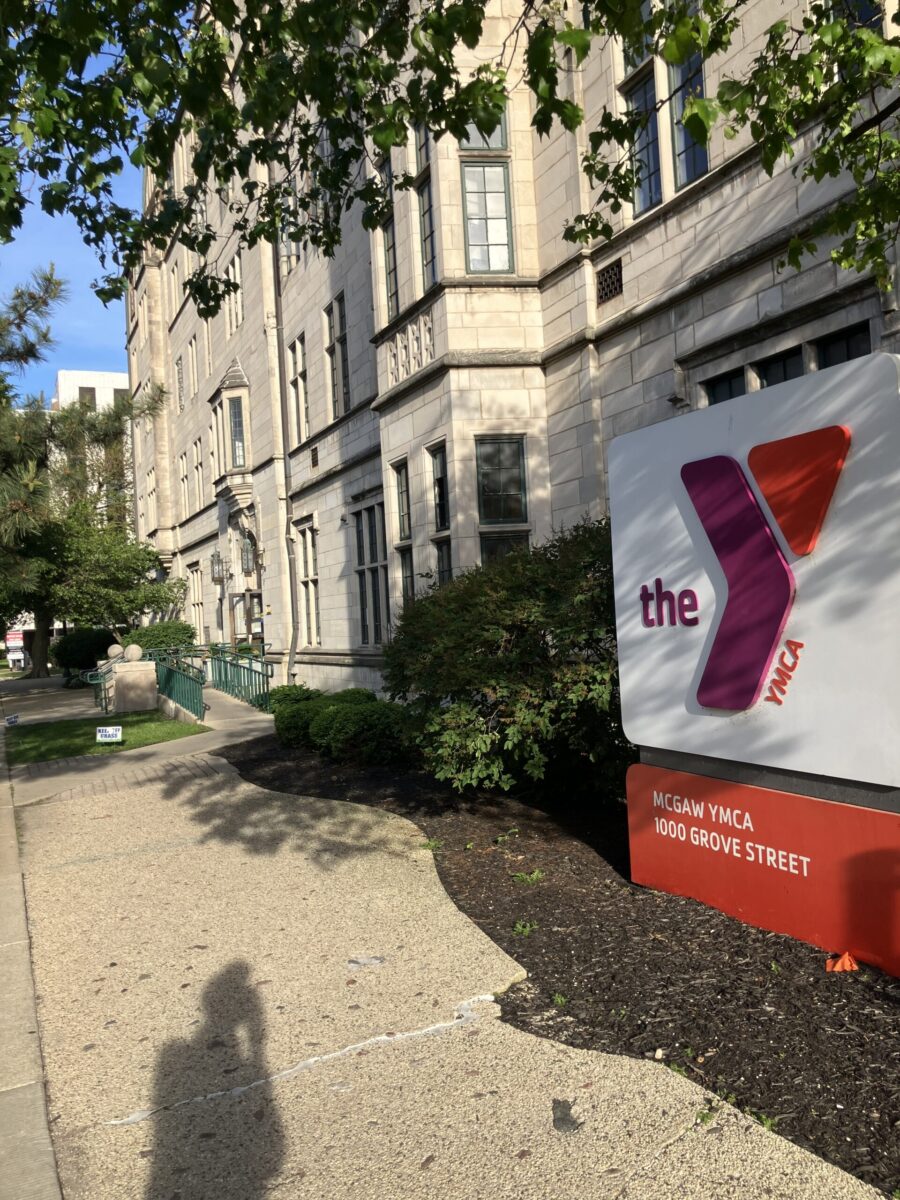
Evanston Finance and Budget Committee members pushed for more details Wednesday on projects supported by $43 million in federal American Rescue Plan Act funds — including the McGaw YMCA men’s residence renovation, which is bumping up against federal spending deadlines.
The city received notice in March 2021 that it would receive roughly $43 million in federal COVID-19 recovery funds targeted to help cities recover from the pandemic.
Under the federal guidelines, all funds must be expended by the end of 2026 or be recaptured by the federal government.
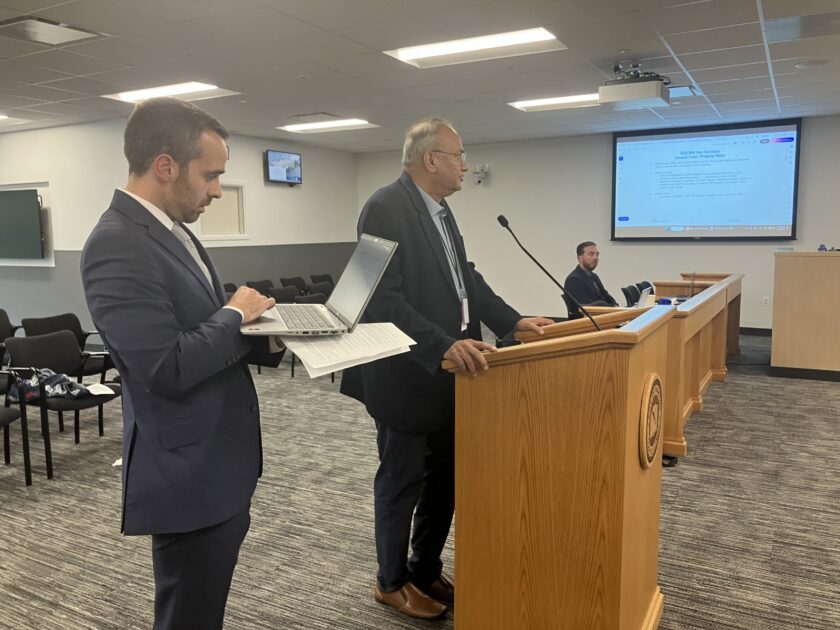
Sarah Flax, whose Community Development department oversees the program, named McGaw YMCA’s proposed renovation of its men’s residences as one of four projects that account for 82% of the unspent funds.
The others are the city’s Participatory Budgeting process, affordable housing construction and acquisition and Evanston Thrives, a plan to revive the city’s business districts.
McGaw applied early in the ARPA process, winning council approval in June 2022 of a $3 million allocation to renovate its then-92-year-old men’s residence at 1000 Grove St. The money is to be used as part of an estimated $12.6 million modernization of the historic single-room occupancy building.
Funds could shift to affordable housing account
At present, a construction start date for the rehabilitation of the residence floors has not been determined, Flax said in a memo and presentation to the committee.
She said a major expense of the project, the replacement of the building’s heating system, is being bid and a variety of soft costs — including consultant fees and legal costs — are expected to be bid in the near future.
With the level of work needed, staff consulted with U.S. Treasury staff and received confirmation that “funding that will not be expended on a funded activity by the end of the year can be allocated to another activity in the same ARPA spending category, if needed. This could be used, if needed, to avoid recapture of funds,” Flax wrote in her memo.
Staff previously created an interagency agreement included in the Treasury’s portal for an affordable housing fund that, Flax told committee members, “we can use for any number of uses that create or preserve long-term affordable housing.”
If the city were to move money into that fund, it “would allow us to flip-flop those funding sources and give the Y more time,” she said.
In discussion, some committee members sought more details. Councilmember Clare Kelly (1st Ward) said it was her understanding that ARPA guidelines, by requiring cities to obligate their allocation choices by the end of 2024, require deliverables rather than vague allocations to open accounts.
Councilmember Jonathan Nieuwsma, (4th Ward), also sought to clarify whether unspent McGaw funds would be redirected to other eligible uses and whether the city would still fulfill its $3 million commitment.
Flax confirmed that was the case. “It would require council approval,” she said. The move would allow the city to use ARPA money to support other key affordable housing needs, such as scattered-site affordable housing. She said a list of projects will eventually need to be submitted to the council for approval.
Also at the meeting:
Committee members voted unanimously to reject a request from Councilmember Bobby Burns (5th Ward) seeking an allocation of $408,000 from the Water Fund to extend the Evanston Pathways to Wellness Program from a one-year pilot to a three-year initiative. It was the second committee in a week to reject the proposal. Members of the City Council’s Human Services Committee had voted down the request at their June 1 meeting, saying the additional costs sought by program advocates for data collection and research fell outside the city’s scope.
Flax told committee members that officials are looking at alternatives but could not guarantee ongoing funding for programs that received ARPA support. They include Family Focus, which received $500,000 in ARPA funding; the “Living Room,” which received $900,000; and services at Evanston Public Library providing mental health support.
At the meeting, Hitesh Desai, the city’s Chief Financial Officer and Treasurer, also announced that Clayton Black, Evanston’s budget manager since 2022, will be leaving the city for a similar position elsewhere.
The announcement comes as the city is projecting another deficit for fiscal year 2027.