





Returns to the council Jan. 26
By Bob Seidenberg
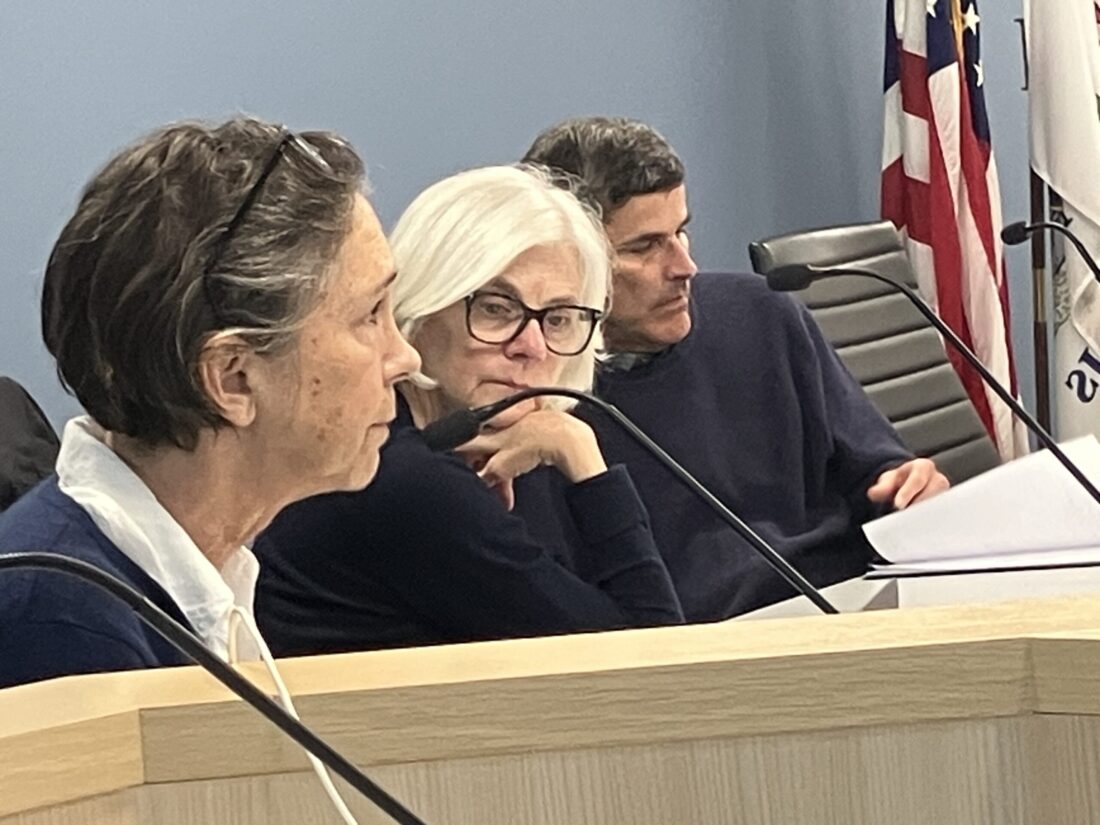
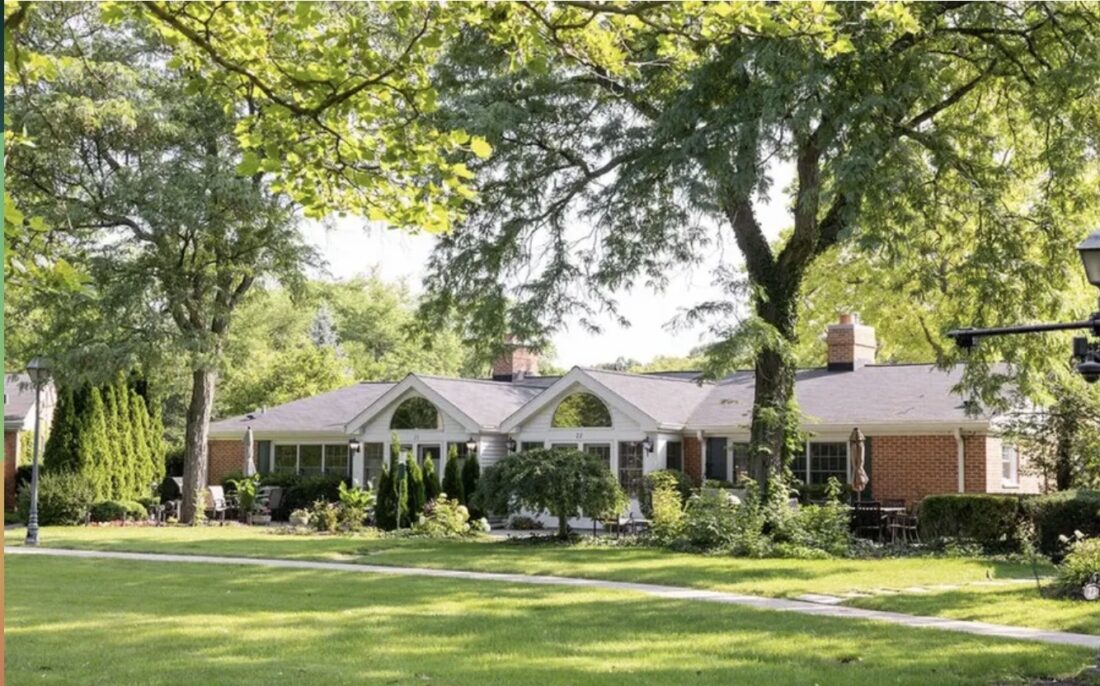
Evanston city council members pressed for tighter limits Monday on the number of short term or vacation rentals allowed to operate in the city, expressing concern about the impact on the longterm rental market.
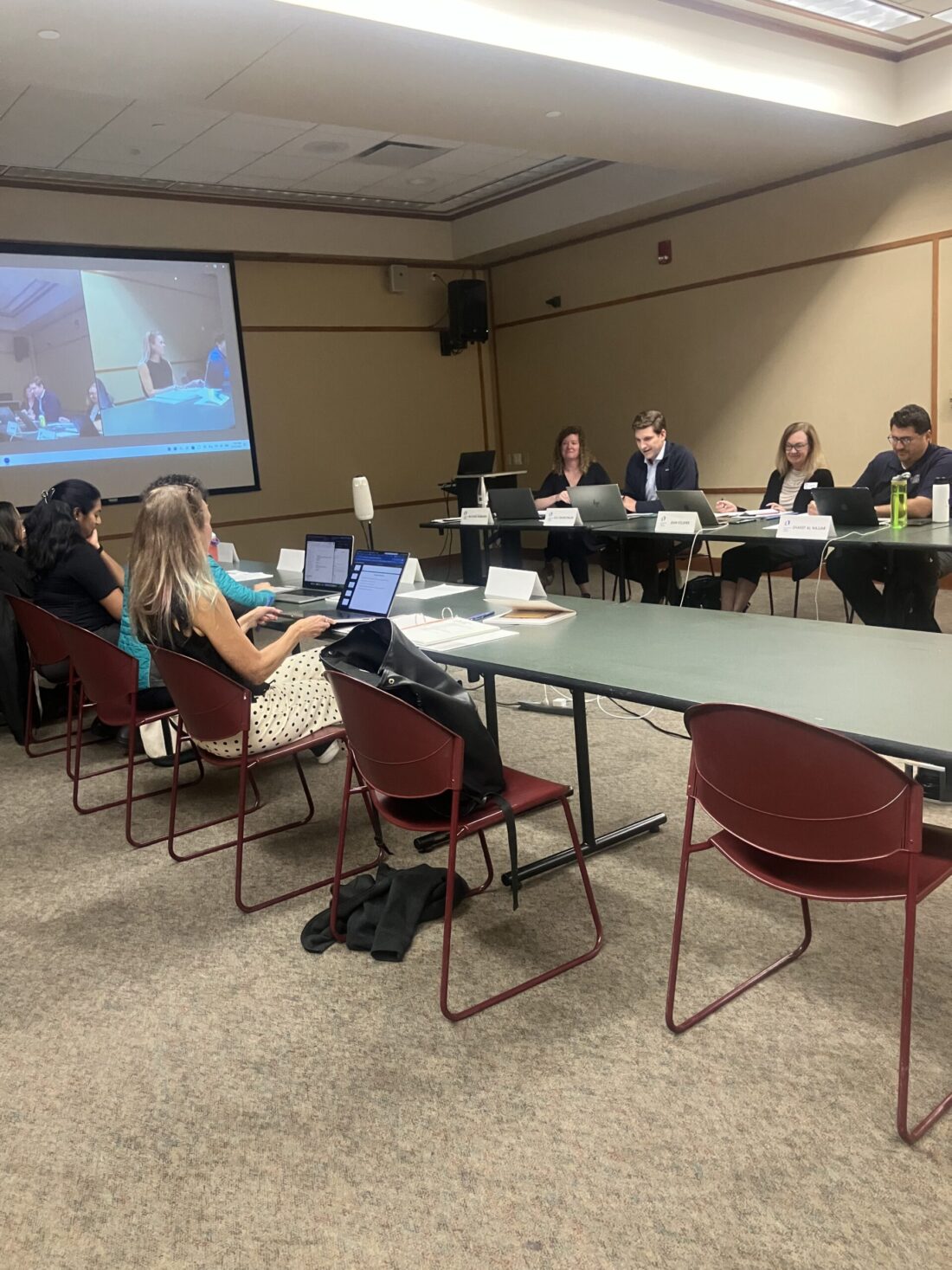
In their first-fledged discussion since a moratorium was called late last year to allow more work on the issue, council members approved the revised ordinance for introduction, but urged changes in several areas before the proposal comes back to them in two weeks.
“I guess I’m surprised to see this in the state that it’s in now,” said Councilmember Clare Kelly, 1st, starting off discussion. “ I thought that we’re going to be moving towards being more restrictive in terms of non-owner property managers.”
She was reacting to one of the proposed revisions in the ordinance, recommending that property managers for a short term or so called vacation rental live within ten miles of the units, arguing it should be much shorter.
Officials drew up their recommendations based in part on the discussion of the city’s Housing and Community Development Committee meetings Oct. 21 and Nov. 6th.
Some other proposed revisions council members marked for change in their discussion included:
- Setting the number of total short term rental licenses at one per 80 the total 14,450 long term rentals in the city.
- Recommending that a short term rental must be located more than 300 feet from any other property licensed as a short term rental.
- Allowing up to 25% of the units within the building of four units or more, or six in total, whichever is less, to be operated as short term or vacation rentals.
Already might be too much: Nieuwsma
Setting the ratio at 80 per the total 14,450 rental units licensed city wide, would result in as many as 180 short term or vacation rentals, noted councilmember Jonathan Nieuwsma, 4th.
“Right now,” he said, “we have 135 (vacation rentals) and we’re saying that might be too much.”
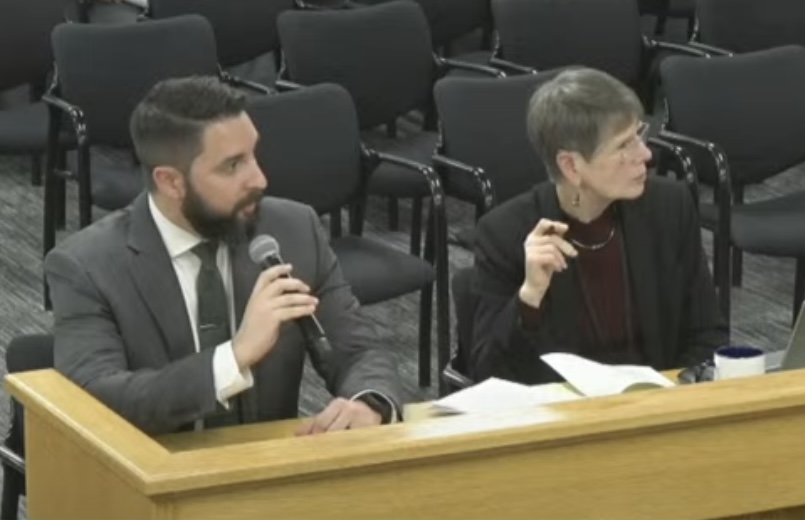
The number could be revised, said Andrew San Roman, the city’s Building & Development Services Manager, said in response. He noted that one council member had previously suggested that a ratio of one of every 100 short term rentals be used.
That number would “allow for a little bit of growth without it becoming too many,” he said.
“But of course that’s up to the council,” he added.
Councilmember Matt Rodgers, 8th, expressed concern about the proposed distance requirement of 300 feet between vacation rentals as “pretty close.”
“That’s probably about four or five houses down, depending on what size lot you live in,” he said.
He also viewed the 25% or six total vacation rentals as “a bit problematic.”
Presently, the 8th Ward at the far southeast end of the city stands as the second highest in short term rentals while some other wards had very little, he pointed out.
“So I do want to make sure that certain wards just aren’t sort of absorbing all of the short term rentals and not spreading it across the city.”
He and other council members voted unanimously in support of councilmember Shawn Iles’s amendment moving the ratio from per 80 short term rentals to 100, bringing the total number of rentals allowed to 145.
Council members also supported another amendment, by councilmember Parielle Davis, 7th, stretching the distance between vacation rental properties from 300 to 600 feet, approximately a block, from any other property licensed as a short-term rental.
Rodgers won support proposing reducing the distance property managers must live from ten miles to three.
Change from 30 days or less gets notice
At 10 miles, “that puts us in downtown Chicago,” he said, “which means if you have a corporate landlord, they’re likely to have major agents in the downtown area,” marketing Evanston from that city.
During discussion several council members referred to concerns raised by longtime rental operator Tina Paden, who has provided units to students and visiting professors, about the impact.
“Most cities limit short term rentals refers as 30 days or less and we’re making it over a year,” Paden noted. “I’d rather see that we go back to 30 days,” she said.
San Roman noted that if a rental has a lease such as Paden’s, they wouldn’t be subject to the short term rental ordinance.
In his memo, San Roman noted that the ordinance was amended to define short-term rentals as furnished units, rented for less than a year without a lease.
The ordinance does not list application and licensing fees, he said. However, “an initial application fee of $250 and an annual licensing fee of $250 are proposed, he wrote.
Meanwhile, council member Bobby Burns, 5th, stressed the need for the city to tack the services such as Airbnb, where the rentals hosting the platforms on which the rentals are advertised, ensuring they are remitting taxes as the city does with hotels.
He plans to bring language supporting that change to the Jan. 26 council meeting, giving council members two weeks, Mayor Daniel Biss noted, “during which folks can work on some of those issues and get this to a place where you’re comfortable passing it.”